
National Tourism Day 2026: Mrs Jyoti Mayal, Chairperson, THSC Advocates Conscious and Responsible Tourism in India
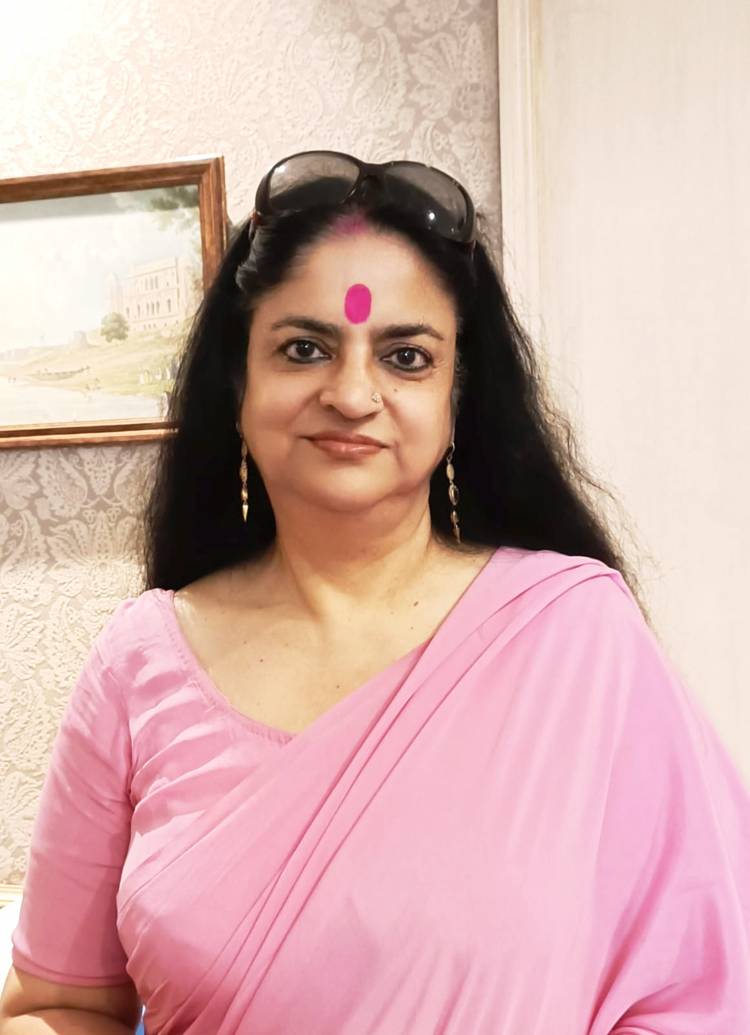
National Tourism Day 2026 arrives at a defining moment for India. The country has emerged as one of the most diverse tourism markets in the world, driven by rising aspirations, improved connectivity, and a renewed pride in exploring homegrown destinations. Yet, with this growth comes a responsibility that cannot be ignored. Tourism is no longer confined to promotion & numbers. It is about preservation, participation, and purpose. This is the year when India must move from celebrating tourism to consciously protecting it. “On the occasion of National Tourism Day, Mrs. Jyoti Mayal, Chairperson, Tourism and Hospitality Skill Council (THSC), highlights key perspectives that advocate the importance of conscious and responsible tourism practices across India.”
Growth Is Visible, Pressure Is Real
Across the country, destinations are witnessing unprecedented footfall. From pilgrimage centres and heritage cities to hill towns and beaches, the surge is unmistakable. While this momentum is encouraging, it has also exposed gaps in infrastructure, waste management, civic discipline, and destination readiness. Overcrowding, littering, vandalism, and disregard for local customs are slowly eroding the very experiences that draw travellers in the first place. Tourism cannot thrive if destinations are left burdened and communities feel overwhelmed.
Skilling and Community Involvement
Tourism is a people-led industry. Skilled guides, trained hospitality staff, informed transport operators, and empowered local entrepreneurs shape the visitor experience. Skilling local communities creates ownership and accountability. When residents benefit directly from tourism, they naturally protect their surroundings. This approach ensures that growth is inclusive, balanced, and resilient. There's an eminent need to strengthen skill development to prepare India’s tourism workforce for the future while preserving cultural sensitivity.
Clean Destinations Are a Shared Duty
One of the most urgent messages this Tourism Day is the need to keep tourist places clean. Cleanliness is not only a civic responsibility. It is a reflection of respect. Sacred sites, heritage monuments, natural reserves, and public spaces must be treated with care, not convenience. Damage caused in the name of footfall, selfies, or social media attention leaves a lasting impact. Infact, tourism should never come at the cost of dignity, faith, or environmental balance. Visitors must remember that every destination is someone’s home, history, or belief system.
Social Responsibility Must Become Tourism Culture
Tourism works best when visitors act as temporary citizens, and not passive consumers. Responsible behaviour includes respecting local traditions, supporting local livelihoods, avoiding plastic use, following safety norms, and protecting public property. Citizens, too, play an important role. Welcoming travellers with warmth, maintaining public spaces, and taking pride in one’s surroundings strengthens India’s tourism image far more than marketing campaigns alone. Social responsibility must become part of the tourism culture, not an afterthought.
The Role of Government and Policy Alignment
While citizen action is vital, structured and sustained support from the government remains equally important. Destination planning, crowd management, last-mile connectivity, sanitation, safety, and trained manpower all need consistent policy attention. Tourism must also be thoughtfully integrated into urban planning, environmental safeguards, and skill development frameworks. At the same time, encouraging tourism in all its forms requires a more enabling ecosystem. Rational taxation, targeted incentives, and strong, consistent marketing are essential to help destinations grow responsibly and remain competitive. Investments in physical infrastructure must be matched with investments in people, systems, and local governance. Sustainable tourism is not built through short-term measures or seasonal pushes, but through long-term planning, coordination, and a clear emphasis to balanced growth.
Beyond Footfall, Toward Meaningful Travel
The future of Indian tourism lies in quality in the first place. Experiences must feel authentic, destinations must feel cared for, and travel must feel meaningful. Wellness tourism, cultural immersion, medical travel, adventure circuits, and rural experiences offer opportunities to spread demand and reduce pressure on crowded hotspots. Tourists, in turn, must travel with awareness as that's the only way to make things prosper.
End Note
This National Tourism Day 2026 is a reminder that tourism is a shared ecosystem. Governments must plan responsibly, industries must operate ethically, and citizens must act consciously. Thus, it's the duty of every stakeholder to recognise that India’s tourism future depends on collective behaviour today. If destinations are protected, communities respected, and travellers mindful, India can continue to inspire the world as a place to visit & as a country that values its heritage, environment, and people. Tourism is a legacy to be safeguarded, as a whole.