
TVK government to present first full bdget with focus on welfare and fiscal reform
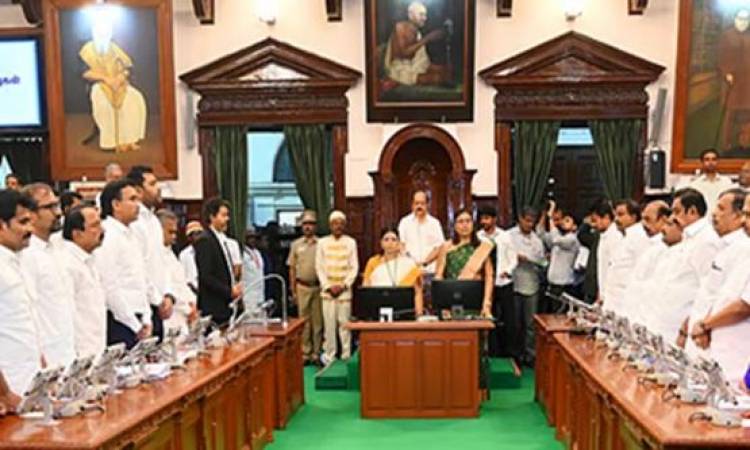
The Tamil Nadu government led by the Tamilaga Vettri Kazhagam (TVK) is scheduled to present its first full Budget for the 2026-27 financial year in the State Legislative Assembly on Wednesday. Finance Minister N. Marie Wilson will table the Budget at 10 a.m., marking the administration’s first comprehensive financial roadmap since assuming office under Chief Minister C. Joseph Vijay.
The Budget is expected to be a landmark document as it represents the first full fiscal plan presented by a neo-Dravidian political party in Tamil Nadu in several decades. Government sources indicate that the proposals will reflect the commitments made in the party’s election manifesto and its long-term development blueprint, Vetri Thamizhagam.
A significant portion of the Budget is likely to focus on welfare initiatives for women, youth, students, senior citizens and economically weaker sections, while balancing the state’s financial constraints.
Following its assumption of office, the TVK government released a White Paper on the state’s finances, stating that Tamil Nadu faces substantial fiscal pressure, with outstanding liabilities estimated at ₹13.18 lakh crore. The report also highlighted a higher revenue deficit than previously projected, underscoring the need for careful financial management.
Ahead of the Budget, Chief Minister Vijay conducted a series of department-wise review meetings. Officials from the Finance Department also consulted industry representatives, traders and economic experts before finalising the proposals.
The government is expected to prioritise spending on infrastructure, social welfare, employment generation and development projects in backward districts, while identifying new sources of revenue and improving expenditure efficiency.
Women’s welfare is expected to be among the Budget’s central themes. ne of the most anticipated announcements is the possible expansion of free bus travel for women across the state’s government-operated bus network. At present, the scheme is available only on city services, with transport corporations receiving government reimbursement for the programme.
Officials have reportedly submitted estimates of the financial implications and possible revenue measures needed for a statewide rollout after reviewing passenger usage and operational costs.